Search Intent in 2026: How to Match What Searchers Actually Want
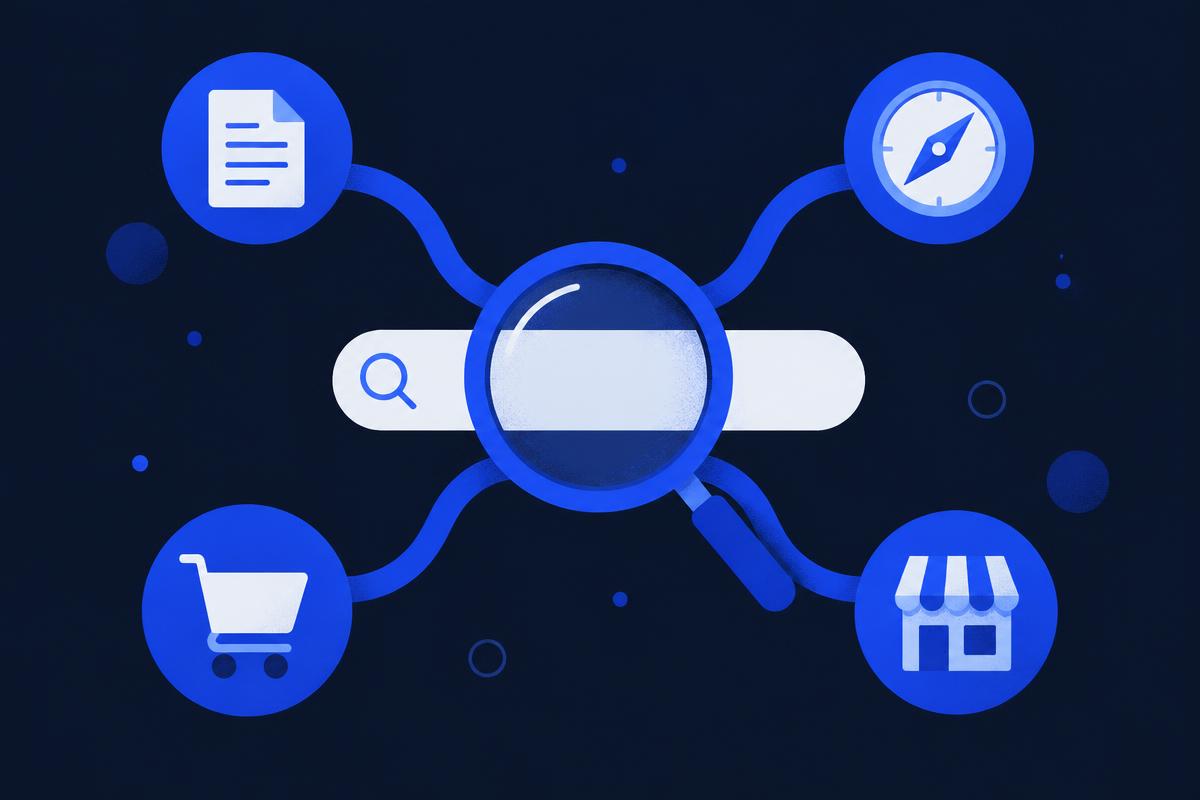
You can target the right keyword, write a solid page and still rank nowhere. The usual reason is not quality — it is a mismatch. The searcher wanted a comparison and you gave them a sales page, or they wanted to buy and you gave them a 3,000-word history lesson. That mismatch is a search intent problem, and it is the single most common reason good content fails.
Search intent is the goal behind a query: what the person actually wants to happen after they press enter. Google has become very good at inferring that goal, and it ranks pages that satisfy it — not pages that merely repeat the keyword. Get intent right and everything else in SEO gets easier.
What search intent actually means
Search intent (also called user intent or keyword intent) is the purpose behind a search. Two people can type nearly identical words and want completely different things: "jaguar" could mean the animal, the car or the football team. Google's entire ranking system is built around resolving that ambiguity correctly.
For content teams, intent matters because it sets the rules of the competition. If the top ten results for your keyword are all how-to guides, a product page will not break in — no matter how many backlinks it has. Intent is the gatekeeper; relevance and authority only matter after you pass it.
The four types of search intent
Almost every query falls into one of four buckets. Knowing which bucket your keyword sits in tells you what kind of page to build.
Informational
The searcher wants to learn: "what is search intent", "how to fix a leaking tap". These queries reward guides, explainers, videos and definitions. They build topical authority and feed AI citations, even though they rarely convert directly.
Navigational
The searcher wants a specific site or page: "mg content labs login", "google search console". You cannot win someone else's navigational query — you can only make sure you win your own brand terms.
Commercial investigation
The searcher is comparing options before buying: "best seo tools", "semrush vs ahrefs", "content agency reviews". Comparison pages, listicles and honest reviews dominate here. This intent is where most B2B pipeline quietly begins.
Transactional
The searcher is ready to act: "buy", "pricing", "book", "hire". Product, pricing and service pages win these queries. They have lower volume but the highest value per visit.
How to read intent from the results page
You do not need a tool to classify intent — the search results page tells you. Type your keyword into Google and look at three things: the type of pages ranking (guides, product pages, videos), the format (listicles, step-by-step, definitions) and the features shown (AI Overviews, People Also Ask, shopping results, map packs).
If Google shows an AI Overview and mostly beginner guides, the intent is informational. If it shows product cards and pricing pages, it is transactional. Mixed results mean mixed intent — in that case, the dominant format in the top three results is your best signal. Our keyword research guide shows how to capture this intent data while building your content plan.
Matching content to intent
Once you know the intent, align three things: the page type (guide vs landing page), the angle (beginner vs advanced, cheap vs premium) and the depth (quick answer vs comprehensive resource). Then check what the ranking pages all cover — that is the table stakes — and identify what they miss, because that gap is your way in.
A common mistake is forcing every keyword onto the page you already have. If your service page targets a keyword whose results are all educational guides, you need a blog post that links to the service page — not a longer service page. This is exactly how we structure content for clients through our SEO and content services.
Intent in the age of AI search
AI Overviews and chat engines have made intent matching stricter, not looser. AI answers absorb simple informational queries, which means the informational content that still earns clicks is the kind with original data, real experience and clear structure — the pages worth citing. Commercial and transactional intent, where people want to compare and act, has become relatively more valuable.
Google's own guidance on creating helpful, people-first content makes the same point: pages written to satisfy a real human need outperform pages written to satisfy a keyword. Intent is simply that need, made visible.
A quick intent audit you can run this week
Pick your ten most important keywords. Search each one, note the dominant intent, and compare it to the page you have ranking (or want to rank). Every mismatch is either a rewrite or a new page. Most sites find two or three painful mismatches in the first pass — pages that were never going to rank no matter how much they were optimised.
- List your top 10 keywords and search each in an incognito window
- Note the intent type and dominant page format in the top 3 results
- Flag any page whose format does not match the results page
- Rewrite mismatched pages or create the missing page type
- Re-check rankings 4–6 weeks after the fix
Frequently asked questions
- What is search intent in SEO?
- Search intent is the goal behind a search query — what the person actually wants to accomplish. In SEO it matters because Google ranks pages that satisfy that goal, not pages that simply repeat the keyword. Matching intent is a prerequisite for ranking.
- What are the four types of search intent?
- Informational (learn something), navigational (reach a specific site), commercial investigation (compare options before buying) and transactional (take an action like buying or booking). Most keywords fall clearly into one type, and the search results page shows you which.
- How do I find the search intent of a keyword?
- Search the keyword yourself and study the top results: the page types, formats and SERP features Google shows reveal the intent. If guides dominate, intent is informational; if product and pricing pages dominate, it is transactional. Tools can label intent automatically, but a manual check is more reliable.
- Can one page target multiple intents?
- Rarely. A page can serve closely related intents — for example a guide that ends with a comparison section — but mixing distant intents (a how-to guide that is also a sales page) usually ranks for neither. When in doubt, create separate pages and interlink them, as covered in our internal linking strategy guide.
- Does search intent change over time?
- Yes. Intent shifts as products, seasons and news change — a keyword that was informational can turn transactional after a product launch. Re-check the results page for your important keywords every few months, especially after ranking drops you cannot otherwise explain.
Keep reading
Ready to build a content engine like this?
Book a strategy call or explore our plans.
Get new guides before they're announced.
One practical guide on SEO, AI search, and content strategy whenever we publish. Unsubscribe anytime.
Mohit Gupta
Mohit Gupta is an SEO growth strategist and content specialist with over 4.5 years of experience helping B2B/B2C and SaaS companies build organic visibility and revenue. He focuses on turning complex SEO, AI search, and positioning strategies into clear, actionable insights that drive real pipeline. When not writing about organic growth systems or decoding AI search trends, he is usually studying how the best companies get found without paid ads.