Digital marketing and SEO content strategy.
Practical guides on SEO content strategy, answer engine optimization, B2B digital marketing, and the editorial systems that turn content into compounding revenue.
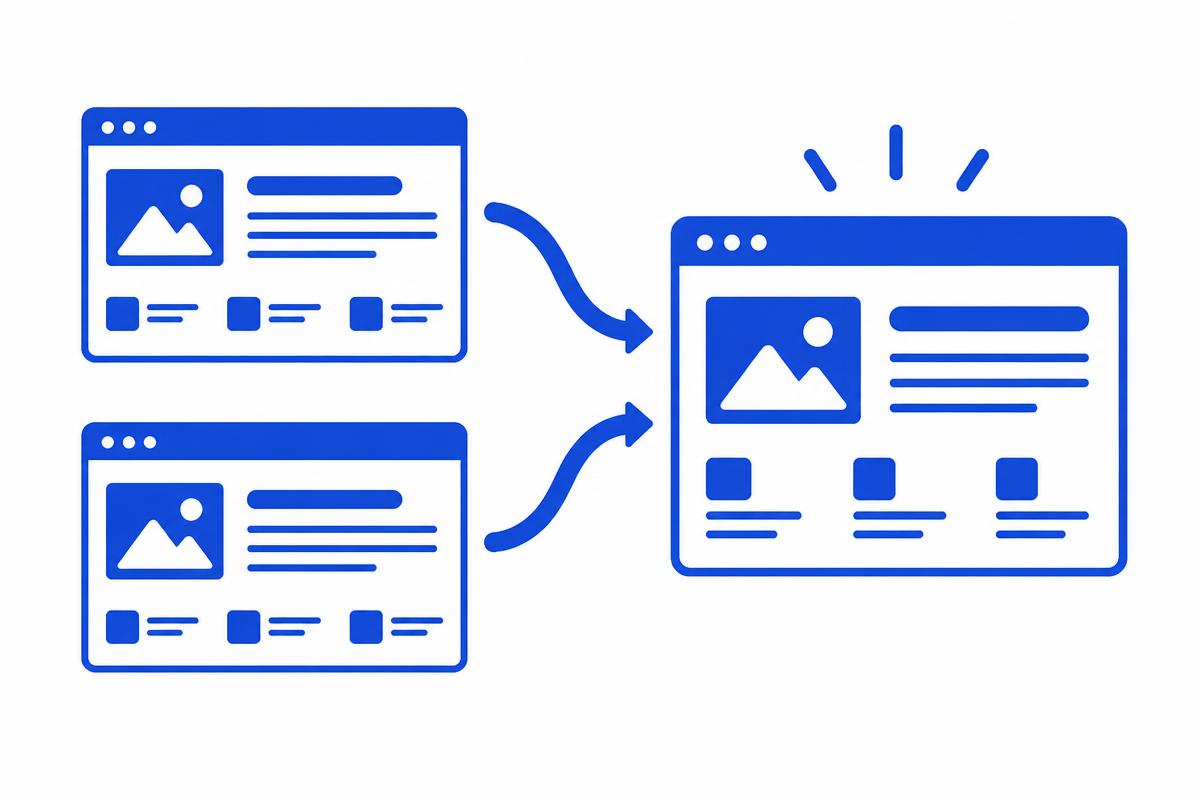
Keyword Cannibalization in 2026: How to Find and Fix Pages Competing for the Same Search
Keyword cannibalization happens when several of your pages compete for the same search. Learn what it is, how to spot it in Search Console, and four ways to fix it.
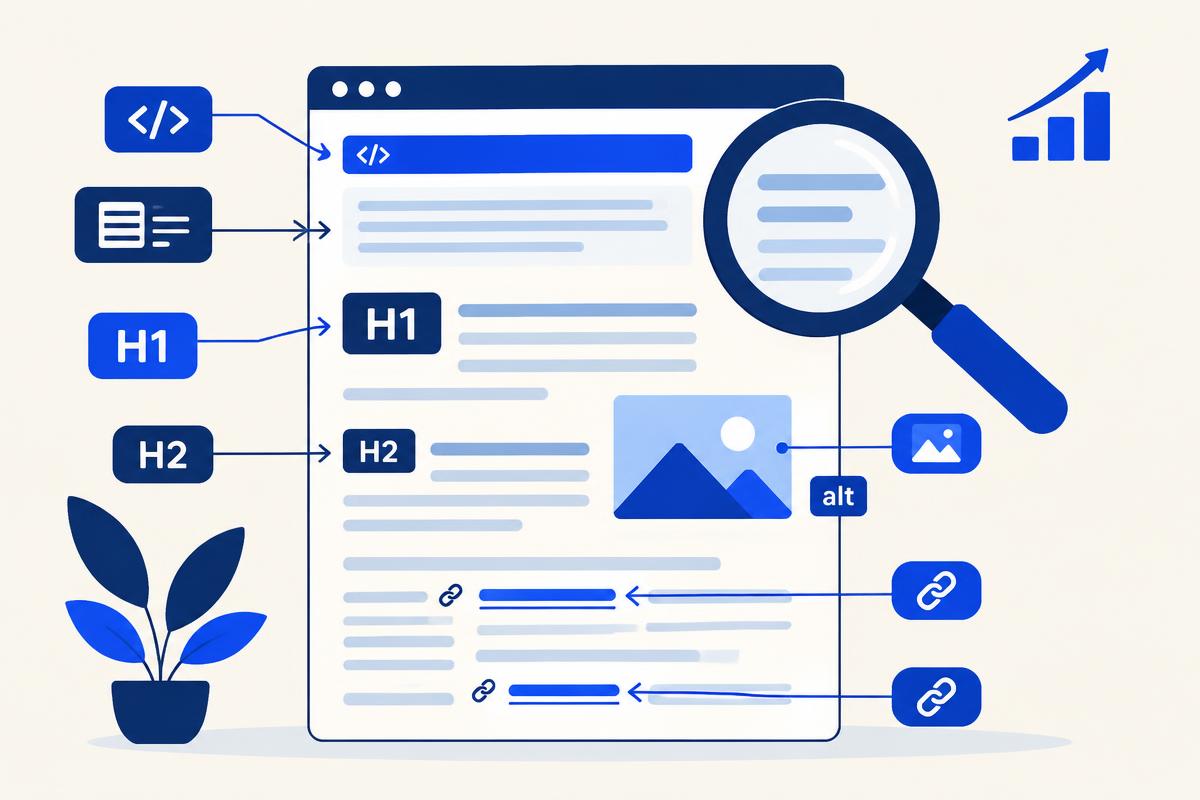
On-Page SEO in 2026: A Practical Checklist to Optimise Every Page
On-page SEO is the part of search you fully control. Use this 2026 checklist for title tags, headings, meta descriptions, content, images and internal links.
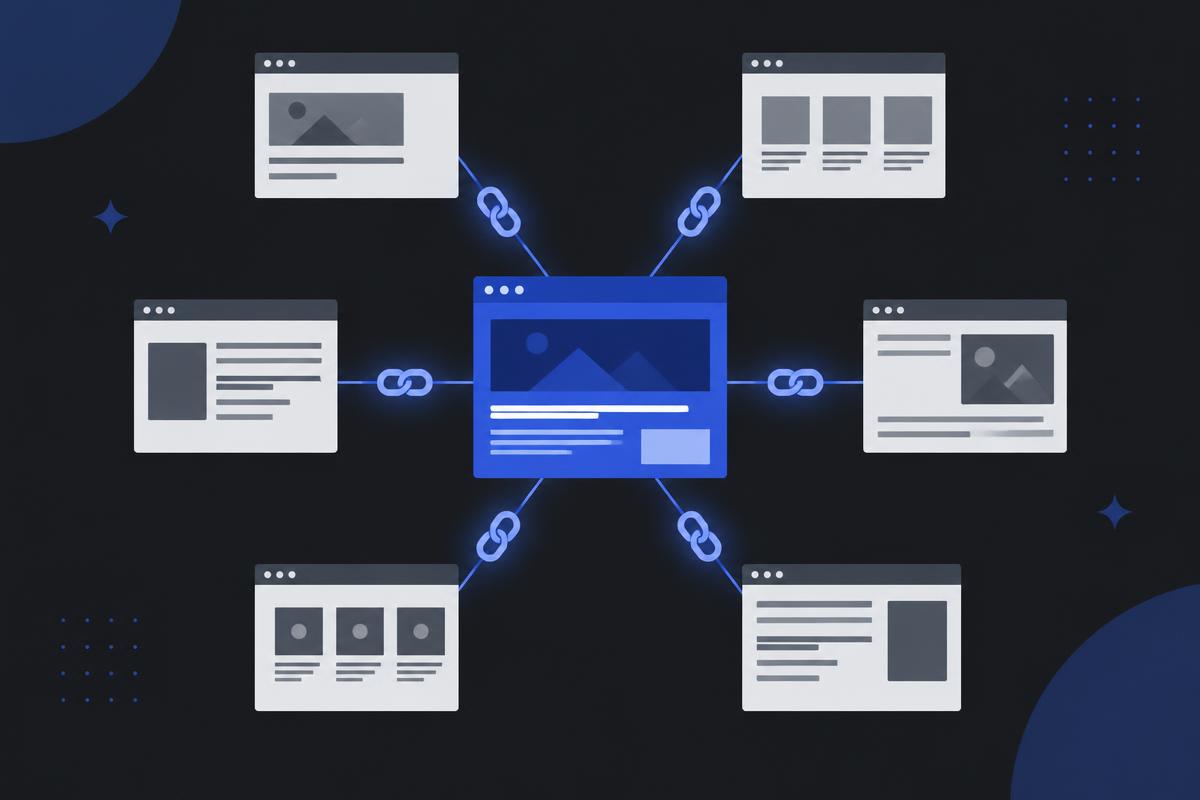
Link Building in 2026: A Practical Strategy That Earns Links Google Trusts
Link building still decides who ranks, but the tactics that work have changed. Learn what link building means in 2026, the white hat strategies that earn real backlinks, and the shortcuts that get sites penalised.
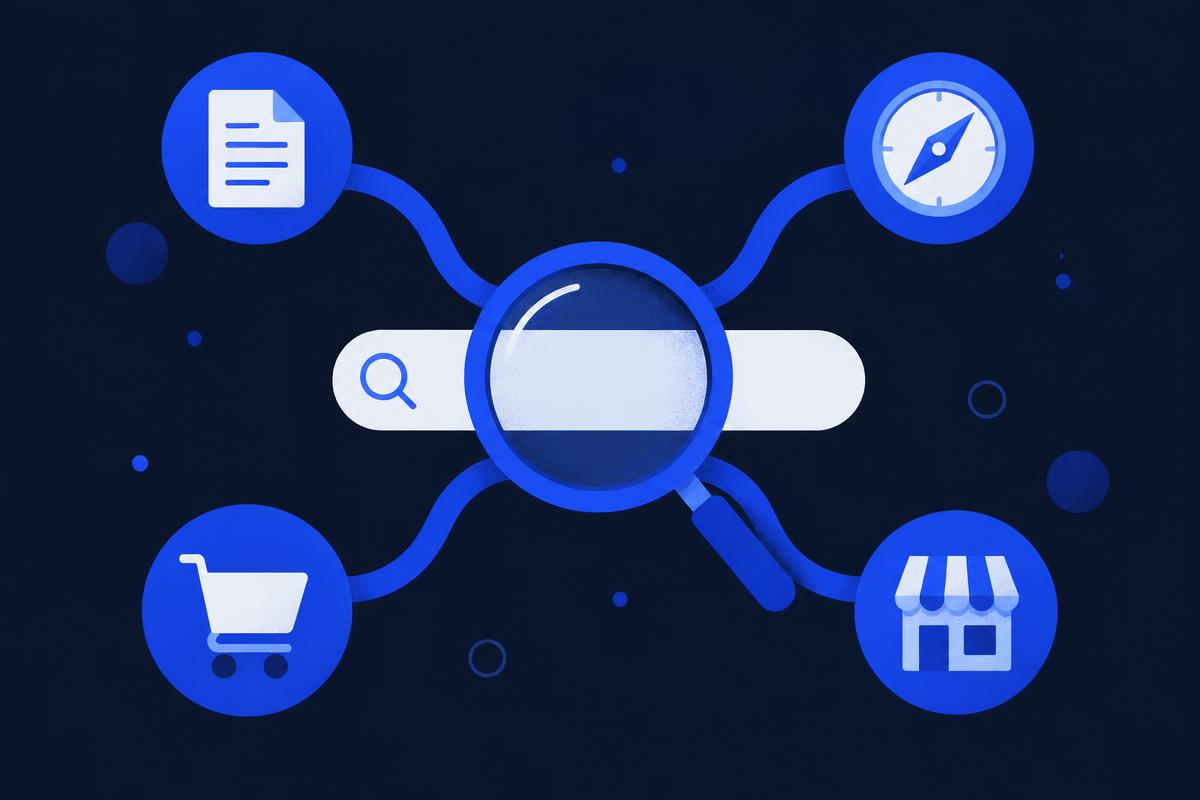
Search Intent in 2026: How to Match What Searchers Actually Want
Search intent decides whether your page ranks or disappears. Learn the four intent types, how to read them from the results page, and how to write content that matches what searchers actually want.
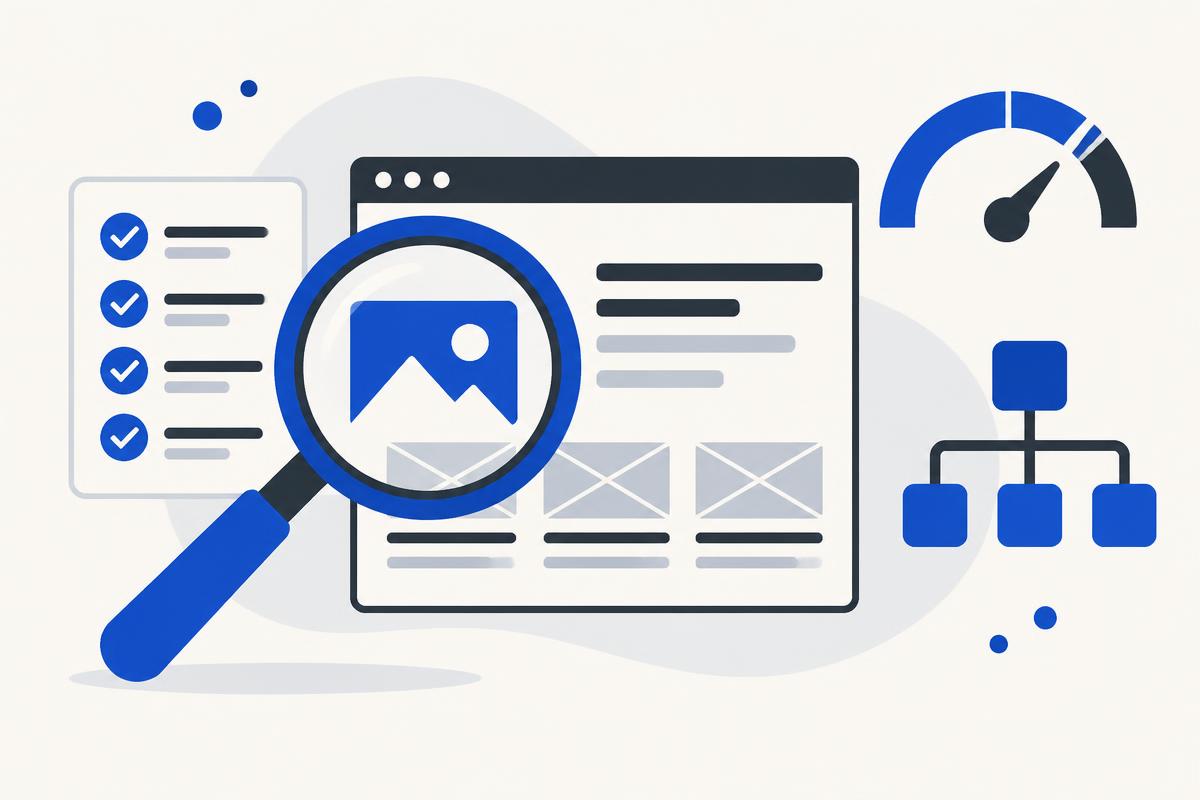
SEO Audit in 2026: A Practical Technical SEO Audit Checklist
An SEO audit shows why good pages fail to rank. Use this 2026 technical SEO audit checklist for crawling, indexing, speed, on-page and AI search readiness.
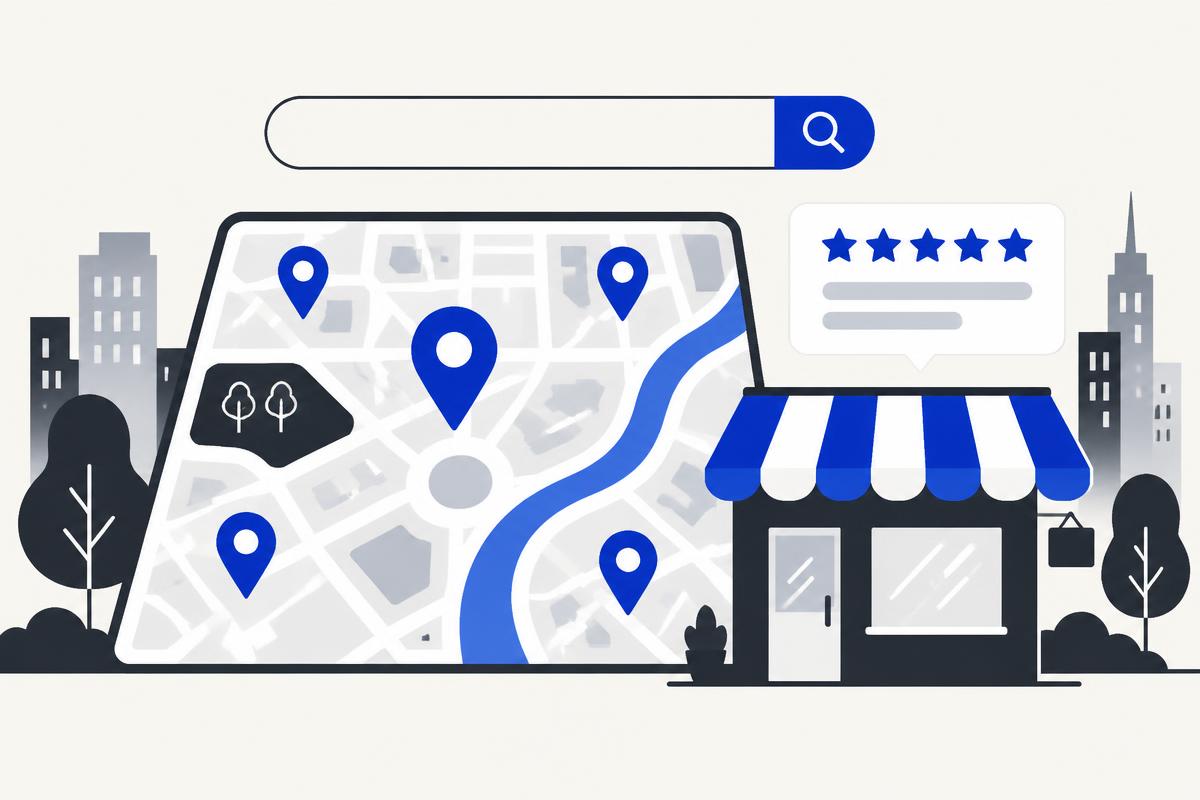
Local SEO in 2026: How to Rank in Google Maps and Local Search Results
Local SEO decides who shows up when customers search near them. Here is a practical 2026 guide to Google Business Profile, local keywords, reviews and citations.
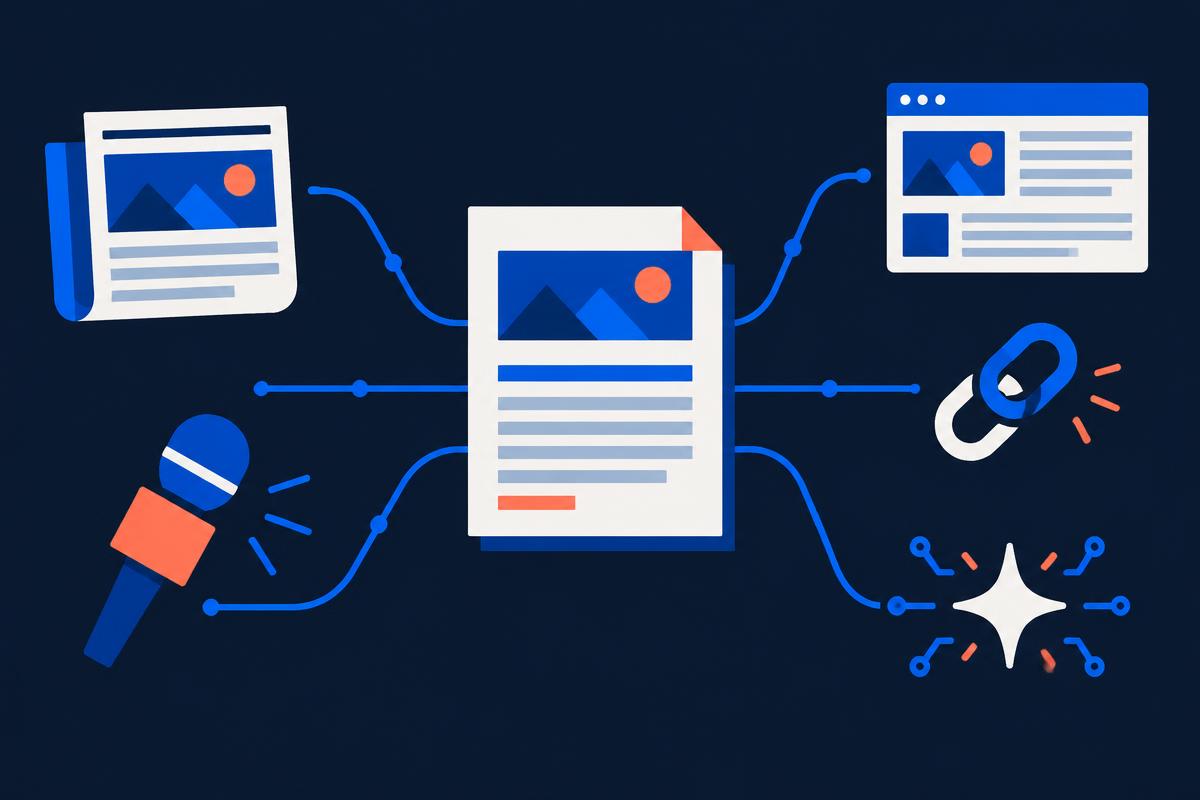
Digital PR in 2026: How to Earn Backlinks, Brand Mentions and AI Citations
Digital PR earns editorial backlinks, trusted brand mentions and visibility across search and AI answers. Use this practical 2026 campaign framework.
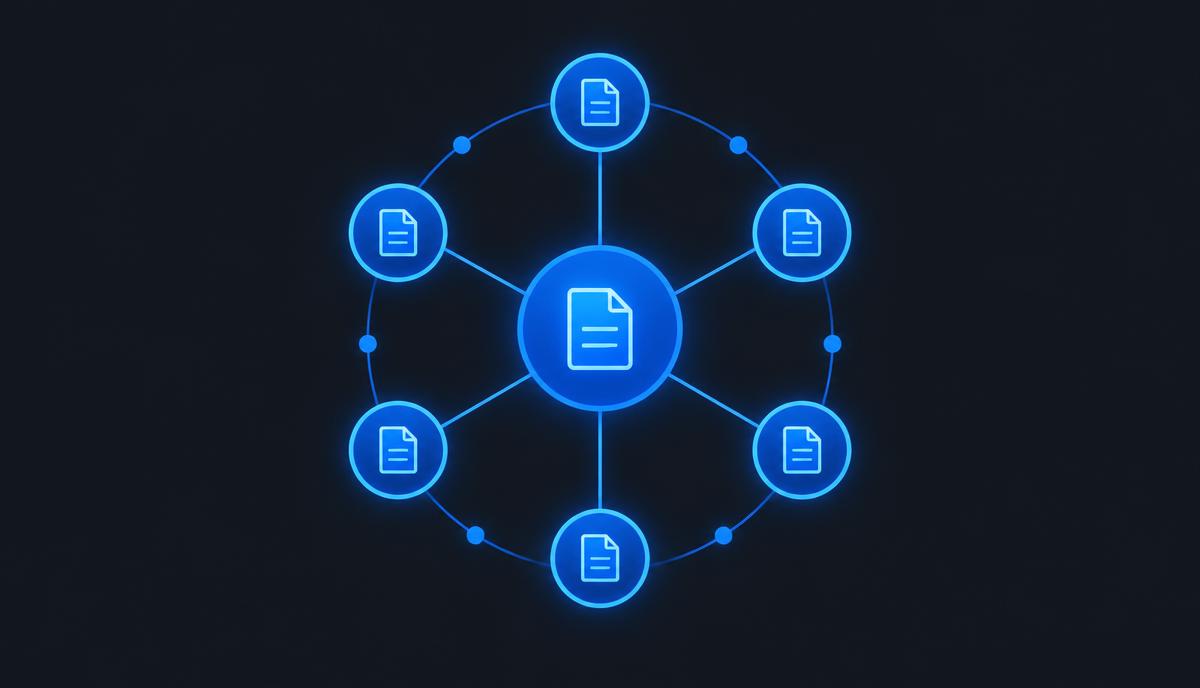
Internal Linking Strategy in 2026: How to Build a Site Structure Google and AI Engines Can Follow
Internal linking is the highest-leverage SEO work most teams never schedule. Here is how link equity actually moves through a site, how to build topic clusters that rank, the anchor text rules that matter, and how to find and fix orphan pages in an afternoon.
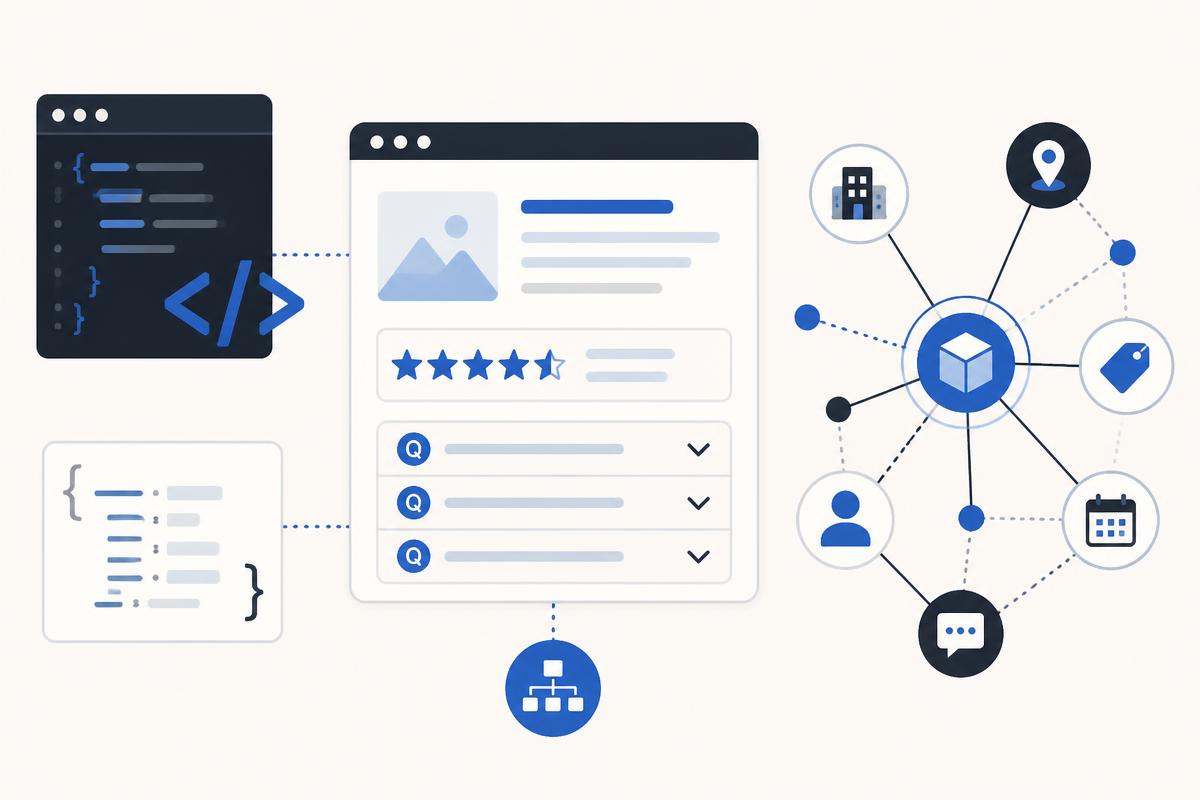
Schema Markup in 2026: The Complete Guide to Structured Data for SEO and AI Search
Schema markup is the cheapest technical win left in SEO — and the one most sites still get wrong. Here is what structured data actually does in 2026, which types are worth implementing, how to add and validate them, and why AI engines rely on them to understand who you are.
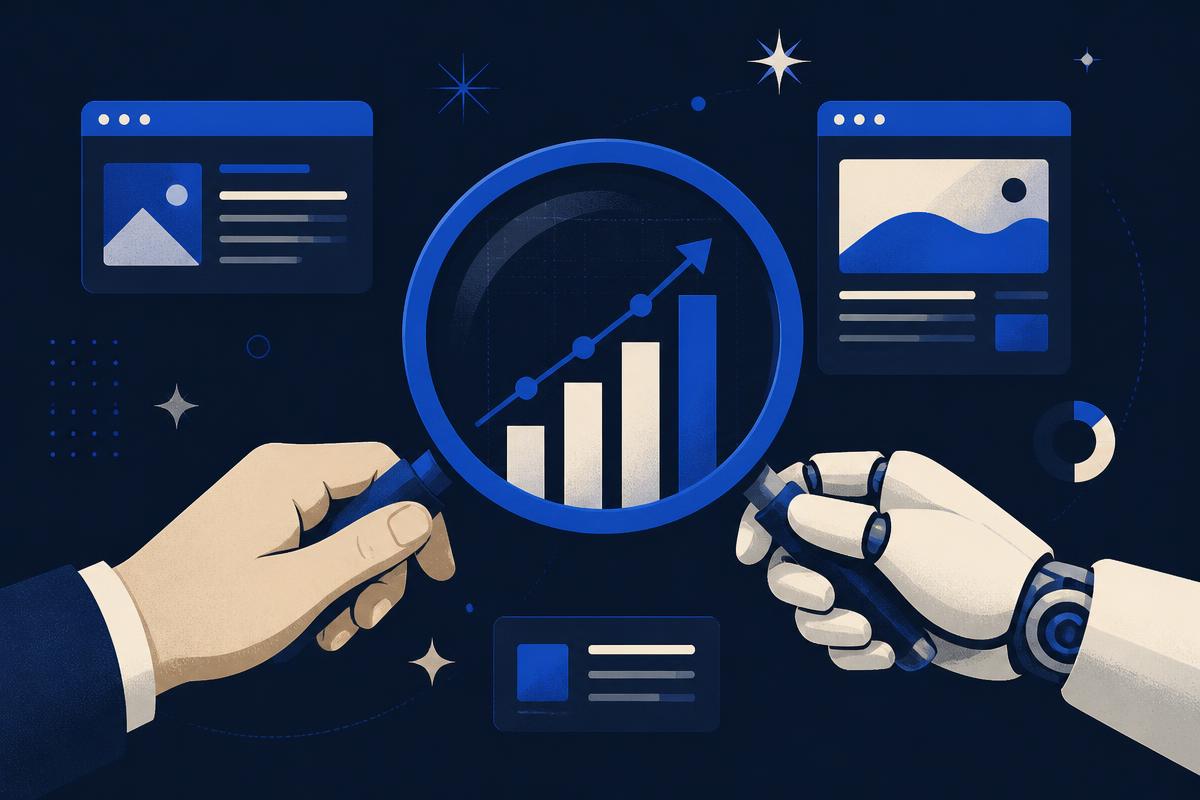
AI SEO in 2026: How to Use Artificial Intelligence for Search Rankings (Without Losing Them)
AI SEO is the most-searched new discipline in search — but most teams use it backwards. Here is where AI genuinely helps your rankings, where it quietly destroys them, and the human-in-the-loop workflow that works in 2026.

How to Do Keyword Research for Content Marketing
A practical guide to keyword research for content marketing: capture buyer language, judge intent over volume, group terms into clusters, and turn the output into a content plan that ranks and converts.
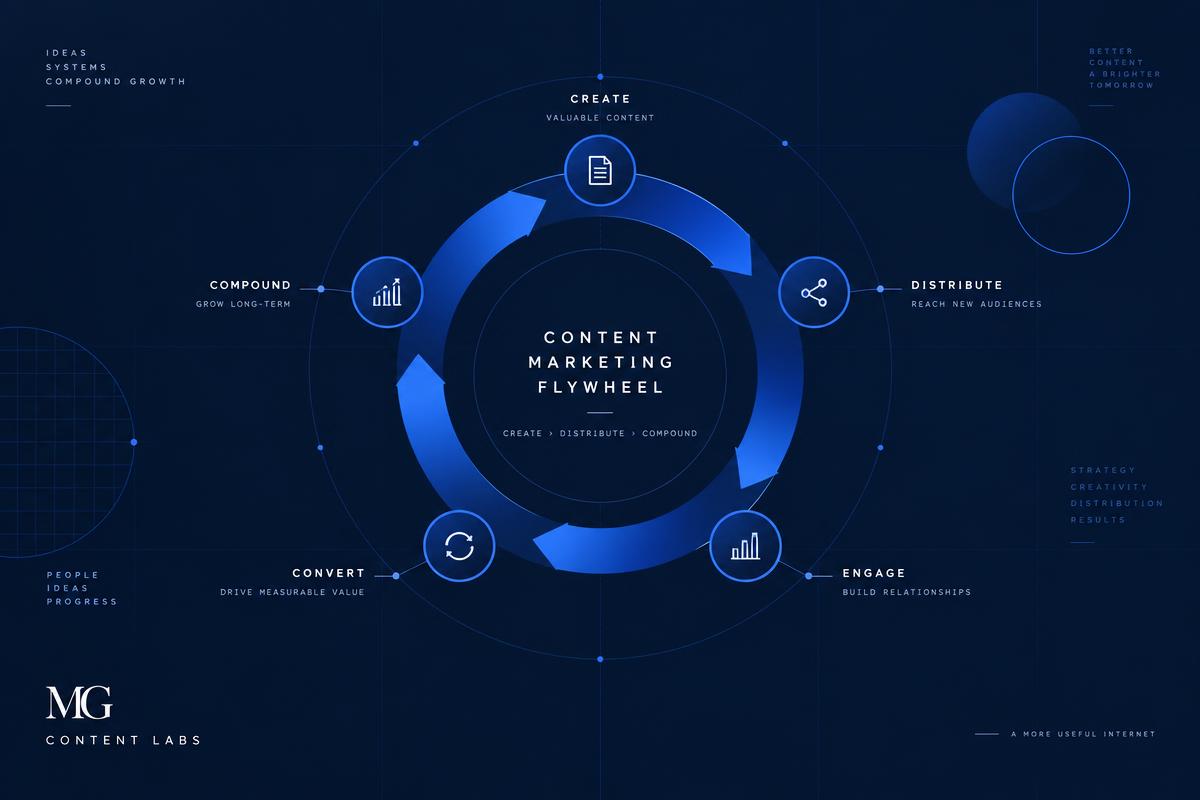
Content Marketing Strategy in 2026: A 7-Step Framework That Compounds
A practical seven-step content marketing strategy for 2026 — audience, audit, keywords, pillars, production, distribution and measurement — built for a search landscape where AI answers sit between your page and the reader.

B2B Content Marketing in 2026: How to Build Content That Actually Moves Pipeline
B2B buying committees research in private and arrive late. Here is how to structure content around the buyer journey, prove information gain, and measure pipeline instead of pageviews.

SEO Content Strategy in 2026: A Practical Framework That Still Compounds
A working SEO content strategy for 2026 — how to pick topics with real demand, map them into clusters, brief writers properly, and refresh what decays, now that AI answers sit on top of the results page.

AI Search Optimization in 2026: The Complete Guide to Generative Engine Optimization
Search now happens inside answers, not just on results pages. This is the full playbook for AI search optimization — how retrieval and citation actually work, what to change on your site, and how to measure whether ChatGPT, Gemini, Perplexity and AI Overviews are quoting you.

Why MG Content Labs Is Better Than Other Content Marketing Agencies in 2026
Most content marketing agencies sell deliverables. MG Content Labs sells outcomes: senior-led strategy, SEO and AEO built into every page, weekly output, and pricing that undercuts Western retainers by half. Here is the honest comparison.

E-E-A-T in 2026: How to Prove Experience and Expertise to Google and AI Engines
E-E-A-T is no longer a soft ranking idea — it is the filter that decides which pages Google surfaces and which sources AI engines cite. Here is how to make experience, expertise, authoritativeness and trust machine-readable in 2026.

How to Run a Content Audit in 2026: A 7-Step Framework to Find, Fix and Prune Underperforming Pages
Most sites carry pages that earn nothing and dilute everything. This step-by-step guide shows you how to run a content audit in 2026 — inventory, scoring, the keep/improve/merge/prune matrix, and how to audit for AI citations, not just rankings.

How to Measure AI Search Visibility in 2026: Brand Mentions, Citation Share and the New KPI Stack
Most AI answers end without a click, so rankings and sessions no longer tell the story. Here is the 2026 measurement stack for AI search visibility — citation share, brand mention tracking, prompt panels, and the KPIs that prove your content is working even when traffic looks flat.

The Crawl-to-Refer Gap: How to Get Value From AI Crawlers in 2026
Cloudflare data shows some AI crawlers take thousands of pages for every visitor they send back. Here is how to close the crawl-to-refer gap — control which bots get access, make your content citation-worthy, and turn AI mentions into measurable demand.
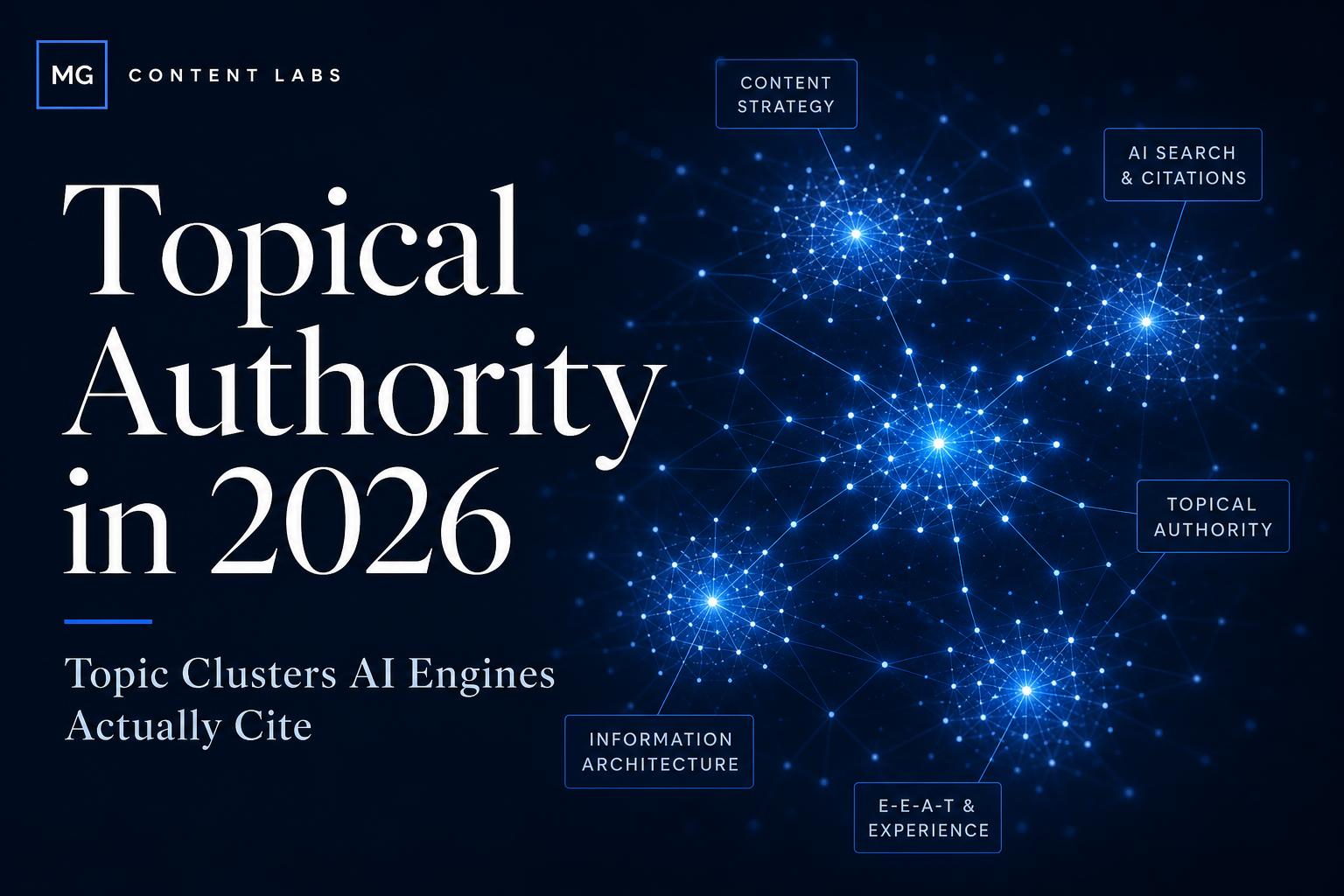
Topical Authority in 2026: How to Build Topic Clusters That AI Engines Actually Cite
Search-intelligence data suggests 73% of AI citations go to sites with demonstrable topical depth. Here is the complete topical authority playbook — entity mapping, pillar-and-cluster architecture, and internal linking — built for Google rankings and AI citations in 2026.

Zero-Click Search Strategy in 2026: How to Win When 68% of Searches Never Click
With nearly 68% of Google searches ending without a click in 2026, rankings alone no longer pay the bills. Here is the zero-click search strategy that turns impressions, AI citations, and brand recall into pipeline.

Generative Engine Optimization (GEO) in 2026: The Playbook to Get Cited by ChatGPT, Gemini and AI Overviews
A tactical generative engine optimization playbook for 2026 — how AI search actually picks sources, the content structure that earns citations, schema and llms.txt setup, and the metrics that prove GEO is working.

Content Strategy in 2026: The Topic Cluster Framework That Still Wins
A practical content strategy framework for 2026 — entity-led topic clusters, pillar pages, internal linking, and a publishing cadence that compounds organic traffic instead of burning budget.
AEO Content Strategy: How to Get Cited by ChatGPT, Gemini and Perplexity
Answer Engine Optimization is a content strategy discipline, not a plugin. Here is the structure, sourcing and schema pattern that makes AI engines quote your brand as the source.

Content Marketing ROI: A Measurement Model Your CFO Will Accept
Attribution, payback periods and content-influenced pipeline — a straightforward model for proving content marketing ROI without pretending last-click tells the truth.

The AI-Assisted Content Workflow: Speed Without Losing E-E-A-T
A production workflow that uses AI for research and drafting while keeping human expertise, original data and editorial standards — the combination search engines still reward.
Get new guides before they're announced.
One practical guide on SEO, AI search, and content strategy whenever we publish. Unsubscribe anytime.